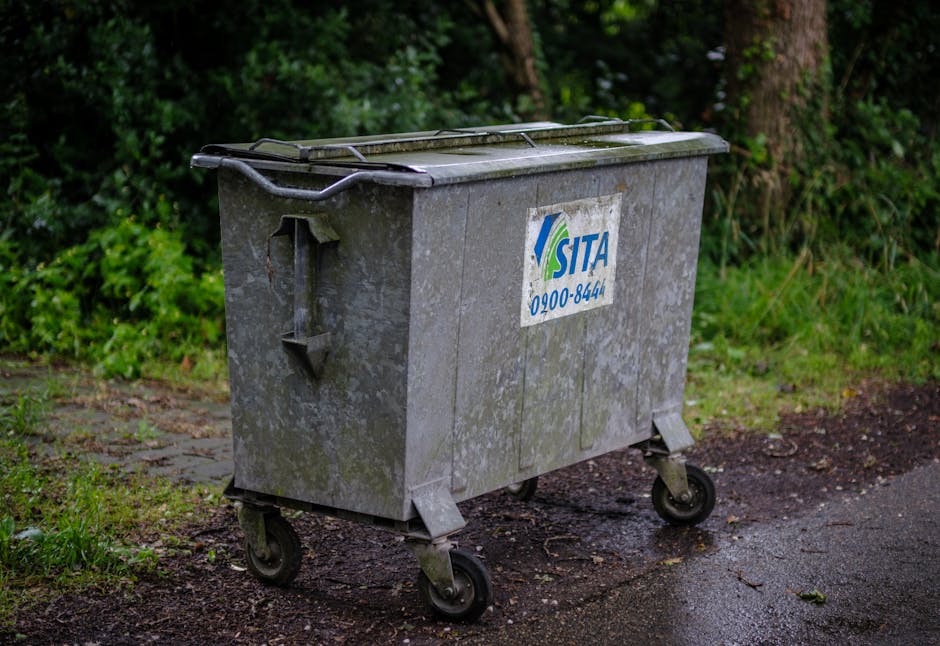
WD4 Rubbish Collection Guide for Park Street Abbots Langley
If you live or work around Park Street in Abbots Langley, rubbish has a way of building up quietly and then all at once. One week it is a broken chair in the hallway, the next it is a heap of garden waste, a few bags from a loft clear-out, and something awkward that will not fit in the boot. This WD4 rubbish collection guide for Park Street Abbots Langley is here to make that mess feel manageable. You will find a practical breakdown of how collection works, what to watch out for, what is usually safest to remove separately, and how to choose the right option without overcomplicating things.
Truth be told, most people do not need a grand strategy. They need a clear one. That is what this guide aims to give you: plain English, local context, and enough detail to help you avoid the usual headaches.
Before we get into the detail, if your rubbish removal is tied to a larger clear-out, it can help to look at related services such as waste removal, house clearance, or office clearance depending on what you are dealing with.
Table of Contents
- Why WD4 rubbish collection guide for Park Street Abbots Langley Matters
- How WD4 rubbish collection guide for Park Street Abbots Langley Works
- Key Benefits and Practical Advantages
- Who This Is For and When It Makes Sense
- Step-by-Step Guidance
- Expert Tips for Better Results
- Common Mistakes to Avoid
- Tools, Resources and Recommendations
- Law, Compliance, Standards, or Best Practice
- Options, Methods, or Comparison Table
- Case Study or Real-World Example
- Practical Checklist
- Conclusion
- Frequently Asked Questions
Why WD4 rubbish collection guide for Park Street Abbots Langley Matters
Rubbish collection sounds simple until you are the one standing beside a pile of mixed waste wondering where it all goes. In Park Street and the wider WD4 area, the practical issue is usually not the existence of rubbish collection itself. It is matching the right type of waste to the right removal method, then getting it cleared without damaging property, wasting time, or creating a compliance problem.
This matters for a few reasons. First, different materials behave differently. A few bin bags of mixed household waste are very different from plasterboard, broken furniture, old appliances, or garden cuttings after a wet weekend. Second, access can be awkward. Many homes and premises around Abbots Langley have tight driveways, shared entrances, or limited roadside space, which makes planning more important than people expect. And third, one bad decision with waste can lead to unnecessary costs or avoidable hassle.
Let's face it, the last thing anyone wants is to have waste sitting around for another week because it was not sorted properly. A better guide is not just about disposal. It is about speed, safety, clarity, and choosing a method that suits the job rather than fighting it.
Expert summary: The best rubbish collection approach is usually the one that matches your waste type, your access, and your timeline. When those three line up, everything gets easier.
For heavier or more awkward loads, you may also want to read more about builders waste clearance or garage clearance if the waste has accumulated in a specific part of the property.
How WD4 rubbish collection guide for Park Street Abbots Langley Works
At a practical level, rubbish collection in WD4 usually follows a straightforward pattern: identify the waste, separate anything hazardous or specialist, choose the right collection method, and arrange removal at a time that works for you. The details matter, though. A good collection is rarely about one big decision. It is a series of small ones that reduce friction.
For example, if you are clearing out a flat, the waste might include soft furnishings, packaging, old small appliances, and general bagged rubbish. If it is a garden job, you may have soil, branches, hedge trimmings, old pots, and possibly treated wood. Those are not the same thing in the eyes of a waste carrier, and they should not all be treated the same way by you either.
Most collection jobs work best when the waste is staged in one accessible place. That might be a driveway, front garden, loading bay, or a cleared section of the property. If the waste is spread across several floors or tucked behind furniture, it adds time and can complicate the job. Small thing, big impact.
A typical process looks like this:
- Identify the main waste categories.
- Check for hazardous or restricted items.
- Estimate volume and weight roughly.
- Confirm access conditions and parking.
- Choose a suitable collection method.
- Book a time and prepare the waste for removal.
When you need a more structured approach, pages like pricing and quotes and book online can be useful next steps once you know what needs to go.
Key Benefits and Practical Advantages
The obvious benefit of organised rubbish collection is that the mess disappears. But there is more to it than that. When collection is handled properly, you save time, reduce disruption, and lower the chances of accidental damage or sorting problems later.
- Cleaner spaces faster: Useful when you are moving, refurbishing, or simply trying to get your home back under control.
- Less lifting and sorting stress: Especially valuable if items are bulky, dusty, or awkward to carry downstairs.
- Better recycling outcomes: Separating waste sensibly can improve what can be reused or recycled.
- Lower risk of mistakes: You are less likely to mix prohibited items into a general load.
- More predictable planning: You can schedule around the collection instead of letting waste take over the week.
There is also a quiet mental benefit people do not always mention. A cleared space feels different. It sounds different, too; footsteps on a bare floor, the scrape of a final bag, the little echo you only notice when a room is finally empty. That feeling can be surprisingly motivating.
If the waste is mainly household clutter or a larger family clean-out, home clearance and loft clearance are often worth considering because they fit the real-world scale of the job better than a one-size-fits-all approach.
Who This Is For and When It Makes Sense
This guide is useful for quite a few people. If you live in Park Street, run a small business in WD4, manage a rental property, or are simply staring at a growing pile of waste and thinking, "Right, this needs sorting," you are in the right place.
It makes sense to use a structured collection approach when:
- you have more waste than your normal bins can handle;
- the waste includes bulky items like furniture, mattresses, or appliances;
- you are clearing a room, loft, garage, or garden;
- you need the waste removed quickly and with minimal disruption;
- you want a proper disposal route rather than guessing.
For businesses, the need is often more routine. Office refreshes, stockroom clear-outs, packaging waste, and old equipment can all create short-term build-ups that get in the way of normal operations. In those cases, business waste removal can be more appropriate than ad hoc disposal, especially if you need a cleaner process and less interruption.
And if the job is a bit more specialised, say old sofas, mattresses, or appliances, it is usually better to handle those separately. That saves confusion later, and yes, the paperwork tends to be easier too.
Step-by-Step Guidance
Here is a simple way to handle rubbish collection around Park Street Abbots Langley without making it harder than it needs to be.
1. Walk through the waste first
Do a quick room-by-room or area-by-area check. Do not just look at the largest pile. Look at what is inside it. A pile that seems mixed may actually contain a few useful categories: general rubbish, reusable items, and things that need special handling.
2. Separate anything that needs special care
Some items should not be mixed into a standard load. Batteries, chemicals, paints, oils, fridges, and similar materials may require separate treatment. If you are unsure, stop there and check rather than hoping for the best. Hope is not a sorting method, annoying as that is.
3. Group the rest by type and access
Put heavier items together, bag lighter waste together, and keep anything fragile or awkward apart. If the waste is upstairs, mark the route so it can be moved efficiently. A little pre-planning cuts down on endless back-and-forth.
4. Think about volume, not just item count
Ten bags of light waste are not the same as ten bags filled with broken tiles or soaked garden waste. Volume and weight both matter. If you are underestimating, the collection might be slower or more expensive than expected.
5. Clear access and parking space
If a vehicle needs to stop close to the property, make sure the route is usable. Move cars if possible, unlock gates, and check for overgrown branches or obstacles. That sounds obvious, but on a busy morning, obvious things get missed.
6. Confirm what you want removed
Before collection day, make the final list. Do you want the old wardrobe taken too? What about the broken treadmill in the spare room, or the pile of cardboard behind the boiler? The fewer surprises, the smoother the job.
7. Ask about recycling and disposal methods
A sensible collection should not just remove waste; it should route it responsibly. If sustainability matters to you, look at how the provider handles sorting and recycling. The page on recycling and sustainability is a useful place to understand the broader approach.
Expert Tips for Better Results
Over time, one thing becomes clear: the easiest rubbish collection jobs are the ones prepared with a bit of realism. Not perfection. Just realism.
- Use one staging area. It keeps the job tidy and makes checks faster.
- Take photos before you start. Helpful if you are comparing quotes or explaining the scale of the job.
- Keep valuables and paperwork separate. People are often half-clearing a room and half-throwing away old files. Easy to mix them up.
- Don't wait until everything is "perfectly sorted". That delay can stretch for days. Good enough is often good enough.
- Plan for awkward items early. Fridges, sofas, mattresses, and broken gym equipment all deserve their own decision.
If you are dealing with appliance-heavy waste, a specialist route such as fridge and appliance removal can prevent a lot of unnecessary confusion. Likewise, for larger soft items, mattress and sofa disposal is often the cleaner option.
One small but useful habit: leave a clear note or label on anything that must not be taken. It sounds a bit old-school, but it works.
Common Mistakes to Avoid
Most rubbish collection problems are not dramatic. They are small missteps that snowball. The good news is that they are easy to avoid once you know what to look for.
- Mixing everything together: This is the classic mistake. Mixed waste is manageable, but only if you know what is in it.
- Forgetting access issues: A clear pile is helpful; a blocked path is not.
- Assuming all bulky items are the same: A sofa, wardrobe, and fridge do not have the same handling needs.
- Leaving hazardous items until the end: Those should be checked first, not last.
- Underestimating the size of the job: A garage that looks "mostly empty" can still produce more waste than expected.
- Not reading terms or limitations: Service details matter, especially if the load includes unusual items.
Another common slip is trying to force every job into a single collection type. Sometimes that works. Often it does not. For instance, a renovation might need both general waste handling and builders waste clearance, while a property clean-out may be better served by a combination of flat clearance and targeted item removal.
Tools, Resources and Recommendations
You do not need fancy equipment to manage rubbish collection well, but a few basic tools make life easier.
- Heavy-duty sacks: Better than thin bags that split at the worst moment, which always seems to happen on the stairs.
- Labels or marker tape: Ideal for marking keep, remove, and unsure piles.
- Gloves and sturdy shoes: Especially useful for broken items, sharp edges, and dusty loft spaces.
- Mask or dust covering: Helpful in enclosed spaces with old insulation or accumulated dust.
- Measuring tape: Useful for larger furniture and awkward clearances.
- Phone camera: Handy for documenting waste before booking.
As a recommendation, keep one simple rule in mind: if you think an item may be difficult, treat it as difficult until proven otherwise. That mindset saves time. It also saves a lot of optimism-fuelled lifting, which rarely ends well.
For clearer comparisons and planning, the pages on what can go in a skip and pricing and quotes can help frame what belongs in which type of collection and what to expect before you book.
Law, Compliance, Standards, or Best Practice
Rubbish collection is not just a practical issue; there is a compliance side too. You do not need to become an expert in waste law to handle a household clear-out responsibly, but you do need to avoid obvious mistakes.
In the UK, waste should be handled by people who are authorised to carry it and disposed of in a lawful way. That matters because if waste is fly-tipped or handled badly, the original producer can sometimes still face problems. That is why it is sensible to choose a provider that talks clearly about insurance, safety, and responsible disposal.
Best practice also includes:
- separating hazardous or specialist waste from normal rubbish;
- keeping records or notes for business-related waste;
- using clear descriptions when arranging collection;
- checking whether items need to be treated differently before they are moved;
- making sure workers or helpers use safe lifting methods and suitable protective gear.
If you are managing a business or commercial space, compliance becomes even more important. Waste production, storage, and handover should be organised rather than improvised. Supporting pages such as health and safety policy, insurance and safety, and terms and conditions are worth reviewing so you know what standards a provider is aiming for.
For items that may be sensitive or confidential, such as paper files during an office or shop clearance, confidential shredding is a sensible option. Better safe than sorry, as they say.
Options, Methods, or Comparison Table
The right rubbish collection method depends on the waste, the urgency, and how much handling you want to do yourself. Here is a simple comparison to help you decide.
| Method | Best for | Strengths | Watch-outs |
|---|---|---|---|
| DIY trips to a disposal point | Small, manageable loads | Can be suitable for light waste and minor clear-outs | Time-consuming, labour-heavy, and less convenient for bulky items |
| Skip hire | Ongoing projects or larger volumes | Good for staged work and repeated disposal over time | Needs space, loading discipline, and the right waste mix |
| Man-and-van style collection | Mixed household waste, furniture, and one-off clearances | Fast, flexible, and less work for the customer | Best when access and item types are clearly explained in advance |
| Specialist item removal | Appliances, mattresses, sofas, hazardous items | Safer and more appropriate for awkward or regulated waste | May need separate booking or handling rules |
There is no single "best" method for everyone. A small landlord clearing a studio flat has different needs from a homeowner emptying a garage after years of storage. That is why local context matters.
If your project involves a large amount of furniture, you may also want to look at furniture clearance or furniture disposal so the collection matches the load rather than forcing everything into a generic bin-bag model.
Case Study or Real-World Example
A common WD4 scenario goes something like this. A homeowner in Park Street has finished a long weekend of clearing the spare room. By Sunday evening, the room contains a broken bed frame, several bags of old clothes, a lamp, a damaged chest of drawers, and a couple of boxes of mixed bits that have been moved three times already. Nothing is dangerous, but it is too much for normal bins and too awkward to handle alone.
The first instinct might be to keep pushing it to the next week. But that usually just extends the stress. A better approach is to split the items into groups: reusable, general rubbish, and bulky waste. The bed frame and chest of drawers are set aside together. The bags are stacked by the front entry. The lamp and small mixed box are checked so nothing important gets thrown away accidentally.
Then the access route is cleared. A car is moved. The gate latch is opened. Suddenly the whole job is less intimidating. The collection itself becomes quick because the difficult thinking was done beforehand, not during the pickup.
That same logic applies in small offices, too. A team upgrade leaves behind old desks, monitor boxes, paper archives, and a fridge that has been humming in the corner for years. Split the categories, decide what needs specialist handling, and the removal stops being chaos. Funny how that works.
For jobs like that, office clearance and fridge and appliance removal are much better matched to the actual need than trying to bundle everything into one vague category.
Practical Checklist
Use this checklist before collection day. It keeps things simple and it catches the most common slip-ups.
- Identify all waste items you want removed.
- Separate hazardous, confidential, or specialist items.
- Check access routes, parking, and door widths.
- Group waste into one clear staging area.
- Keep valuables and important paperwork out of the pile.
- Note any heavy or awkward items in advance.
- Confirm whether furniture, appliances, or mattresses are included.
- Make sure everyone in the property knows what is being taken.
- Review pricing details and booking terms before confirming.
- Have a backup plan if weather, traffic, or access changes on the day.
Quick practical takeaway: a well-prepared rubbish collection is usually faster, cleaner, and less stressful than a rushed one. Nothing revolutionary there, but it is true.
Conclusion
The simplest way to think about WD4 rubbish collection in Park Street Abbots Langley is this: match the waste to the right method, prepare the space properly, and avoid mixing general rubbish with items that need special handling. Once you do that, the whole process becomes far more manageable.
You do not need to get every detail perfect. You just need a sensible plan, a clear view of what is being removed, and a provider or method that fits the job. That is usually enough to turn a messy corner, a cluttered room, or an overflowing garage into something workable again. And honestly, that feeling of space returning? Hard to beat.
Get a free quote today and see how much you can save.
If you are still weighing up the next step, you can explore the wider service pages on about us and contact us to understand how the service is structured before booking.
Frequently Asked Questions
What does a WD4 rubbish collection guide for Park Street Abbots Langley actually help with?
It helps you understand how to sort, prepare, and choose the right removal method for waste in the Park Street area. That includes household rubbish, bulky items, garden waste, and job-specific clear-outs.
Can I put mixed rubbish together for collection?
Sometimes, yes, but only if the waste is genuinely suitable to be collected together. If the load includes hazardous items, appliances, or confidential materials, those should be separated first.
What counts as bulky waste?
Bulky waste usually means items too large or awkward for normal household bins, such as sofas, wardrobes, mattresses, tables, or broken office furniture.
How do I know if I need specialist removal?
If the item is heavy, regulated, fragile, or potentially hazardous, specialist removal is usually the safer and more sensible choice. Fridges, certain electronics, and hazardous materials are common examples.
Is rubbish collection suitable for landlords and letting agents?
Yes. It is often very useful for end-of-tenancy clear-outs, missed furniture, abandoned items, and quick turnaround between occupants.
What should I do with old furniture?
If it is no longer usable, keep it separate and consider a dedicated furniture or bulky item route. For sofas, mattresses, and similar items, specialist disposal is usually easier.
Do I need to prepare access before collection?
Yes, ideally. Clear parking, open gates, unlock side passages, and keep the waste in one visible area if you can. It saves time and reduces awkward lifting.
Can rubbish collection handle garden waste too?
Usually yes, though garden waste is best grouped separately from general household rubbish. Branches, hedge cuttings, and soil may need different handling from bagged waste.
How can I keep costs under control?
Sort waste before collection, remove anything you want to keep, give an accurate description of the load, and make access as easy as possible. Guesswork tends to cost more later.
What if I have confidential paper waste?
Keep it apart from general rubbish and use a proper shredding option. That is safer and more responsible than sending sensitive documents out with mixed waste.
Is it worth comparing rubbish collection with skip hire?
Absolutely. Skip hire suits some jobs, especially longer projects, but collection can be far more convenient for one-off clearances, bulky items, or properties with limited space.
Where should I start if the job feels overwhelming?
Start with one room or one pile. Separate obvious items, clear a path, and decide what is staying and what is going. Once the first section is under control, the rest usually feels less intimidating.