Commercial Waste in Abbots Langley
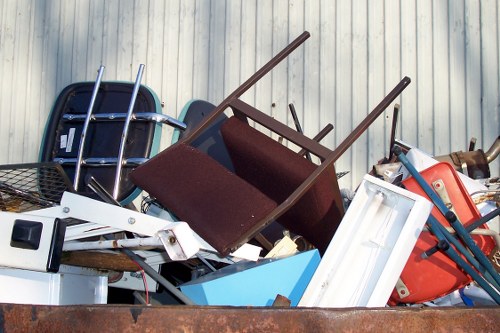
Commercial waste in Abbots Langley needs a service that is practical, tidy and matched to the kind of materials a business produces. We handle mixed business waste collection and removal for organisations that want a straightforward way to deal with everyday rubbish, bulky items and recurring clearances without building up clutter on site. The focus is on keeping premises workable, with an approach that suits offices, shops, workshops and other commercial settings.
Our service covers the removal of general business refuse, office contents, surplus fixtures and other non-hazardous materials that are ready to be cleared. Where a site has regular output, we can help with planned collections; where a property has a one-off accumulation, we can deal with that in a single visit. Clear communication matters here, because different types of waste may need separating before loading or disposal, and we keep the process simple from the first enquiry through to the final collection.
For a quotation, it helps to know the type of waste, the volume involved and whether access is straightforward. If you are comparing options, you can start with the main service pages, then move to the pages that match your own site layout and the sort of waste you need cleared. Tell us what needs removing, and we can help shape a sensible plan.
Business waste removal for everyday premises
Business waste removal is often best treated as an operational task rather than a last-minute tidy-up. Offices may need old desks, broken chairs, archive bags or packaging taken away. Retail units may have cardboard, display material, damaged stock or end-of-line items to dispose of. Light industrial and trade premises can also generate mixed waste that needs careful loading so the space can return to normal use quickly. The aim is to clear the right materials without disrupting the working day more than necessary.
In many cases, the best starting point is to separate what can stay from what should go. Reusable office furniture, confidential papers, appliances and general rubbish are not all handled in the same way, so it is useful to think through the categories before arranging removal. If you need more detail on regular business collections, the business waste removal page gives a clearer view of that service. It can also help to look at waste removal when you are dealing with mixed items rather than one single material type.
Types of commercial waste we can help clear
A commercial clearance can include many different item types, and the best service is the one that fits the actual load rather than a generic label. Typical examples include office furniture, shelving, broken fittings, boxed materials, unwanted stock, bags of rubbish and packaging from fit-outs or refurbishments. If your premises have a particular waste stream, the work can be planned around that category so it is loaded and moved efficiently. Where there are special handling needs, those should be identified before collection so the process stays orderly.
Office clearance and confidential handling

Office clearance is often needed when a workspace is being reorganised, downsized or refreshed with new furniture and equipment. A well-planned clearance can remove surplus items in stages, starting with the heaviest or most obstructive pieces and then dealing with smaller contents such as storage items, filing and loose office waste. That keeps circulation routes open and helps the room remain accessible while the work is underway. It also reduces the chance of unnecessary disruption for staff.
Some office clearances include items that need extra care. Paper records, archived files and equipment that contains sensitive data should be handled with the right level of attention, and not every item belongs in a general waste stream. If document destruction is part of your needs, the confidential shredding page is the obvious place to review that service. For premises where a full reset is required, the office clearance page is also useful because it focuses on the wider removal of office contents and fittings.
Practical preparation is usually simple: identify what is going, what is staying and whether any item needs separating first. A short inventory, a few photos and a note about access can make it easier to estimate the work, especially if the clearance includes multiple rooms or upper floors. Keep any confidential items apart from general rubbish, and make sure someone on site can confirm what should be removed on the day. Clear labelling saves time and helps the collection stay organised.
Furniture disposal and bulky item clearance

Furniture disposal is a common part of commercial waste work because workplaces change over time. Desks, chairs, cabinets, reception seating, tables and storage units often reach the point where they no longer fit the layout or meet the needs of the business. Bulky items can be awkward to shift, especially in tight corridors or buildings with limited access, so it is usually best to plan their removal as part of a structured clearance rather than treating them as ordinary rubbish.
If the unwanted items are still in good condition, some businesses may first decide whether they can be reused or moved elsewhere on site. If not, they can be taken away for disposal as part of a mixed clearance or a furniture-only job. The furniture disposal page is helpful when the main concern is getting rid of pieces that are no longer needed, while the furniture clearance page covers broader removal of grouped items. For larger domestic-style contents mixed into a commercial unit, home clearance and house clearance are also relevant pages to compare if the space contains non-office furniture.
Bulky-item jobs are usually easier to manage when access points are confirmed in advance. Stairs, lifts, loading bays, narrow doorways and parking arrangements can all affect how the work is carried out, especially where items need to be carried through shared areas. A good quotation normally depends on the type of furniture, how many pieces are involved and whether dismantling is needed before removal. If you are planning a larger changeover, it is worth thinking about the sequence so the items that block access are removed first.
Warehouse, garage and storage clearances
Storage spaces can fill up with all sorts of mixed business material, from old fixtures and packaging to boxes, redundant tools and forgotten stock. A warehouse, garage or back-room clearance is useful when a property has become difficult to use properly because the contents have accumulated over time. The work may involve sorting loose items, loading heavier pieces safely and making sure the area is left ready for the next stage of work, whether that is reorganisation, maintenance or a move.
If your premises include a storage bay, outbuilding or garage used for business purposes, the relevant pages can help you narrow the right service. See garage clearance for compact storage areas, or loft clearance if the space is an upper-level store or roof void used for business archives and spare items. When the contents are a mix of miscellaneous clutter and larger objects, waste removal may be the simplest way to frame the job. The key is to match the clearance method to the structure of the space, not just the volume of material.
A useful checklist for storage clearances can be brief:
- identify which areas must stay accessible
- separate recyclable items where possible
- note any heavy or awkward objects
- check whether floor coverings or fixtures need protection
- confirm whether loading can happen close to the entrance
Garden, outdoor and site clearance

Some commercial premises have outdoor spaces that collect waste of a different kind from the main building. Garden areas, courtyards, yard spaces and entrance fronts may need clearing of cuttings, broken planters, damaged outdoor furniture, soil bags, timber, edging material or general fly-tipped rubbish. Outdoor clearance is usually most effective when it is approached as a defined task, because mixed debris can include both light waste and heavier items that need proper lifting and loading.
Where the outdoor area is the main issue, the garden clearance page explains that service more directly. If the site has building spoil, rubble or materials left behind after improvement work, the builders waste clearance page is more relevant because it reflects the type of material generated by construction or refurbishment. For businesses that need a wider catch-all service covering several waste types, waste removal remains a sensible starting point. Each of these pages points to a slightly different kind of job, which helps when you want the service to match the waste rather than the other way round.
Outdoor work often depends on surface condition and how the waste has been left. Wet soil, tangled branches, broken fencing and scattered packaging can all require different handling. If there are sharp edges, nails or unstable piles, those details are worth noting before collection so the work can be planned safely. Good access information is particularly useful here because side passages, gates and shared access paths can affect the pace of a clearance even when the total volume is not large.
Appliances, mattresses and other specialist items

Certain items need a more specific disposal route than ordinary mixed waste. Fridges, freezers, washing machines, mattresses and sofas can be difficult to move and may need separate handling because of their size or material mix. If your business is replacing staff room equipment, letting go of old bedding in managed accommodation or clearing a break area, these items should be planned alongside the rest of the clearance rather than left until the end. That makes the job more manageable and helps avoid confusion on the day.
The fridge and appliance removal page is the best fit for white goods and similar equipment, while the mattress and sofa disposal page covers those larger soft items. If the work is part of a more general mixed clearance, the main waste removal page remains useful because it covers a broader set of practical collections. Where the material is more unusual or potentially sensitive, it is better to check the right category first so the removal method suits the item involved.
These specialist pieces often create challenges not because they are complicated in themselves, but because they sit awkwardly in a room or are too large to carry through the usual route without planning. A quotation is usually easier to prepare if you can indicate whether items are stacked, built-in, single pieces or part of a wider room clear-out. If you are unsure how to describe them, send the basic details and ask for guidance. That is often enough to begin.
Pricing, access and how quotations are shaped
The cost of commercial waste removal is usually shaped by a few straightforward factors: the kind of waste, how much there is, how easy it is to reach, and whether the load includes bulky or specialist items. A small office tidy-out is not priced in the same way as a multi-room clearance, and a ground-floor collection is different from work that has to move through stairs, narrow corridors or shared entrances. Accuracy depends on clarity, so the more specific the job description, the more useful the quotation is likely to be.
It is usually helpful to provide one or two photos, a rough count of the main items and a note about any access restrictions, such as parking, loading distance or limited lift use. That does not need to be a long document; in most cases, a short message is enough to begin. If the premises involve regular collections, it can also help to explain how often waste builds up, because planned removal may suit your operation better than occasional ad hoc clearances. Use the pricing and quotes page if you want to compare the service information before asking for a quotation.
Contact us for a clear quotation tailored to the waste you need removed, or take a moment to review the main service pages and then send through the simplest description you can. If your next step is ready, use the contact us page to make the enquiry and arrange the details.
About Abbots Langley
Abbots Langley is a village in Hertfordshire, close to the edge of the Metropolitan Green Belt and within reach of Watford and the wider London commuter belt. It is known for a mixture of older settlement patterns and later suburban growth, with a centre that still reads as a village high street rather than a conventional town core. The parish name has long historical roots, and the place is often associated with the medieval period through its connections to the Benedictine Abbey of St Albans, from which the “Abbots†element is commonly understood to derive. The settlement developed around the road network that links nearby communities, and the modern village retains that layered character in its streets, local shops and residential areas. Leavesden Country Park lies nearby, giving access to open green space, paths and broader recreational walking routes, while the surrounding countryside and suburban edges help define the place as one that sits between village identity and metropolitan proximity. The built environment includes a range of housing from older properties to later twentieth-century estates, and the village centre retains a compact pattern of local services and community life. Nearby landmarks and institutions also contribute to the sense of place, including long-established churches, schools and the wider historical associations of the area with the estates that once shaped the landscape. This combination of heritage, green space and commuter connections gives Abbots Langley a distinctive local profile within west Hertfordshire.
Commercial waste collections that fit your site
Different premises create waste in different ways, so the most useful collection is the one that reflects how your site actually works. A shop may need regular removal of packaging and broken display material. A managed building may need end-of-lease clearances for desks, chairs and files. A light industrial unit may produce mixed non-hazardous waste that becomes awkward to store once it has built up. Our role is to keep the process practical and to remove the items in a way that suits the layout of the property.
For businesses with more than one type of waste, it is often sensible to combine related pages when planning the job. For example, office clear-outs may involve furniture disposal and confidential shredding, while a storage area could involve mixed waste removal alongside garage or loft clearance. You can review the relevant pages, then decide whether one collection covers the lot or whether the work is better broken into stages. The about us page is there if you want to see the wider company information behind the service, but the important part here is matching the collection to your own premises and the materials that need moving.
When you are ready to proceed, keep the request simple: what needs removing, where it is located and whether there are any access issues. That is enough to begin a sensible conversation and build a quotation that reflects the actual work. Send the details when convenient, and we can take it from there.